Loading...
THE COLOR NOTE
Build a considered color edit
Start with a shade you will wear, then add tools and textures with intention.
4 min read · The OMB journal
Choose an everyday anchor
A compact color edit starts with how you like to wear makeup. Think about whether you reach for a soft cheek color, a defined eye or a little shading. Choose one anchor product before adding shades that may duplicate what you already own.
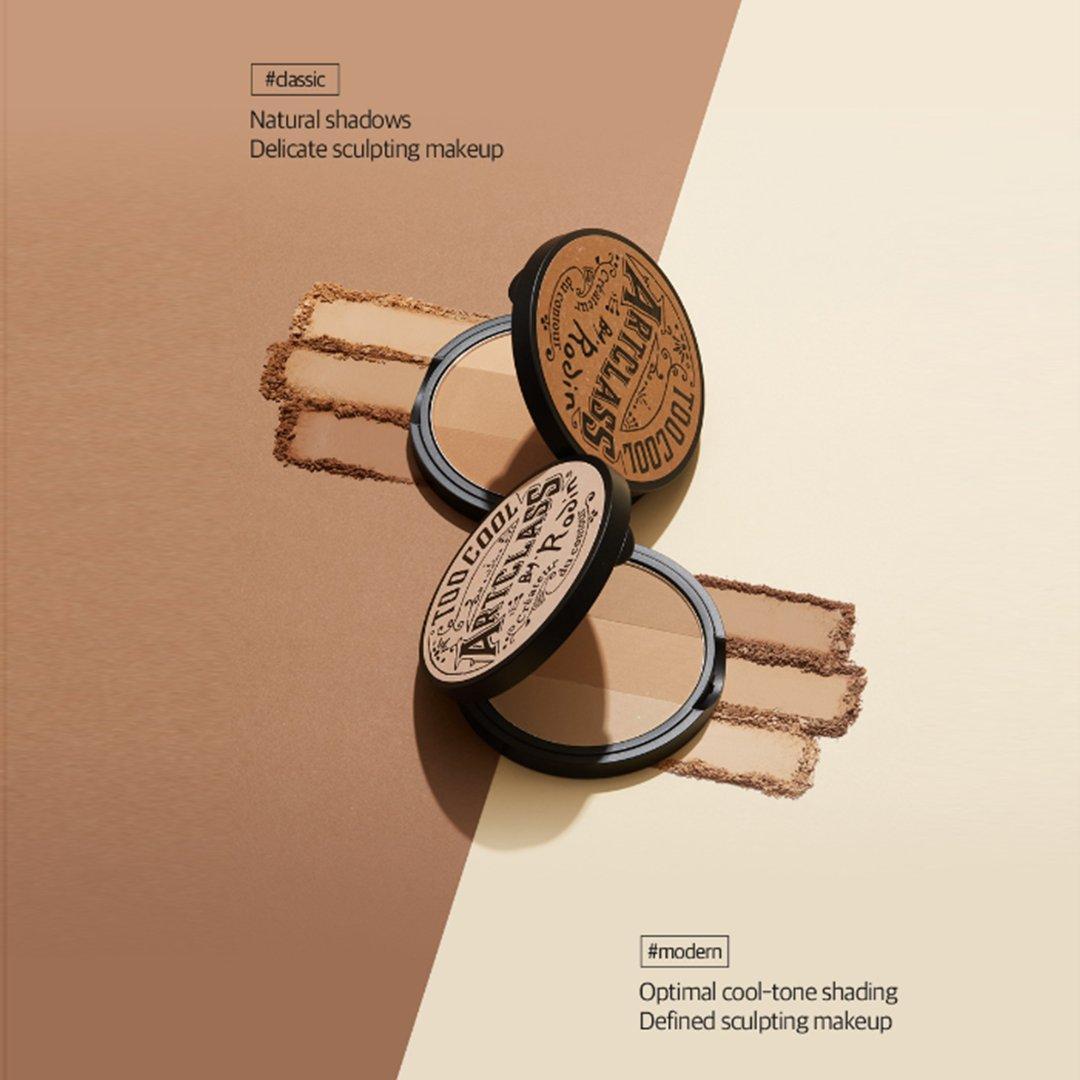
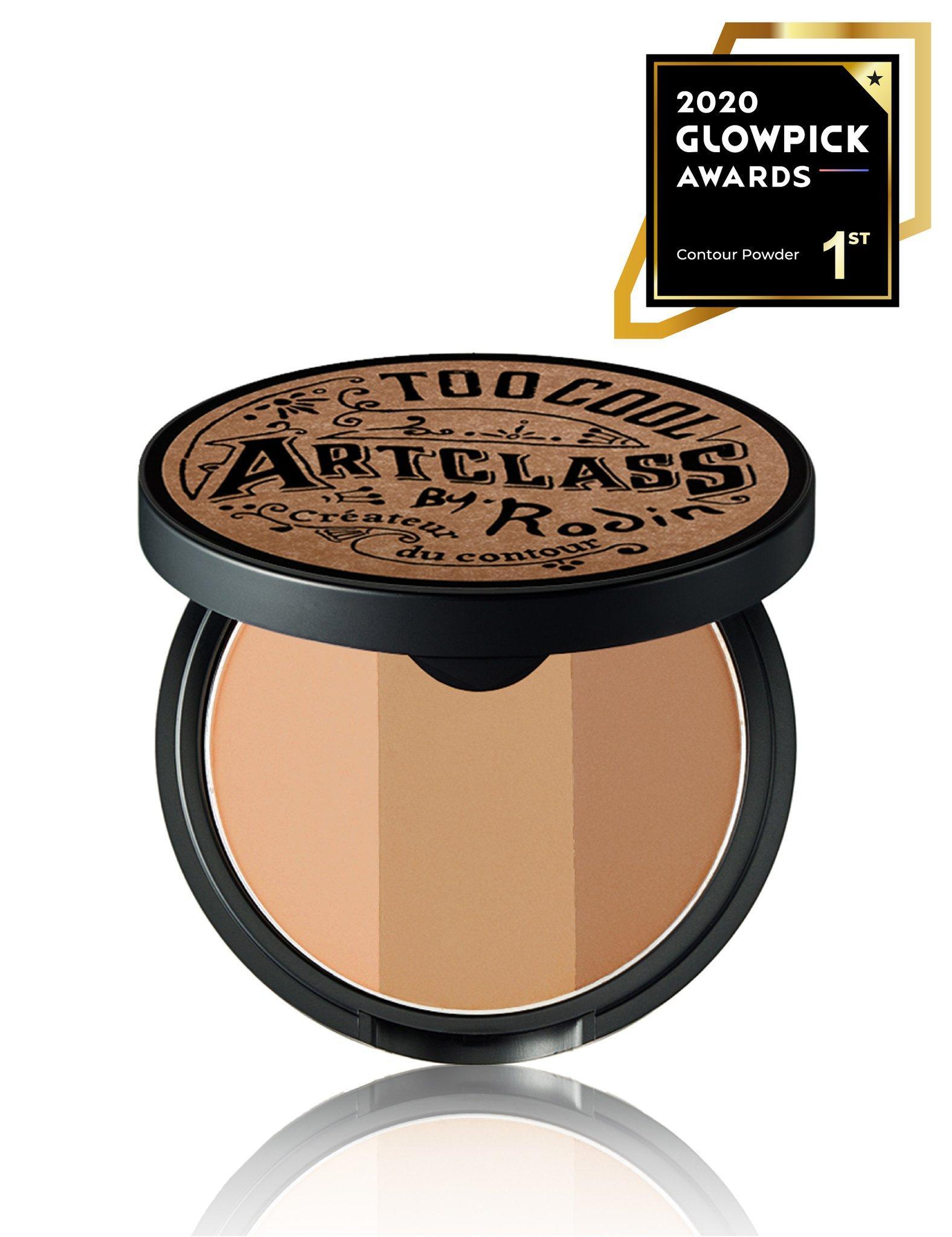
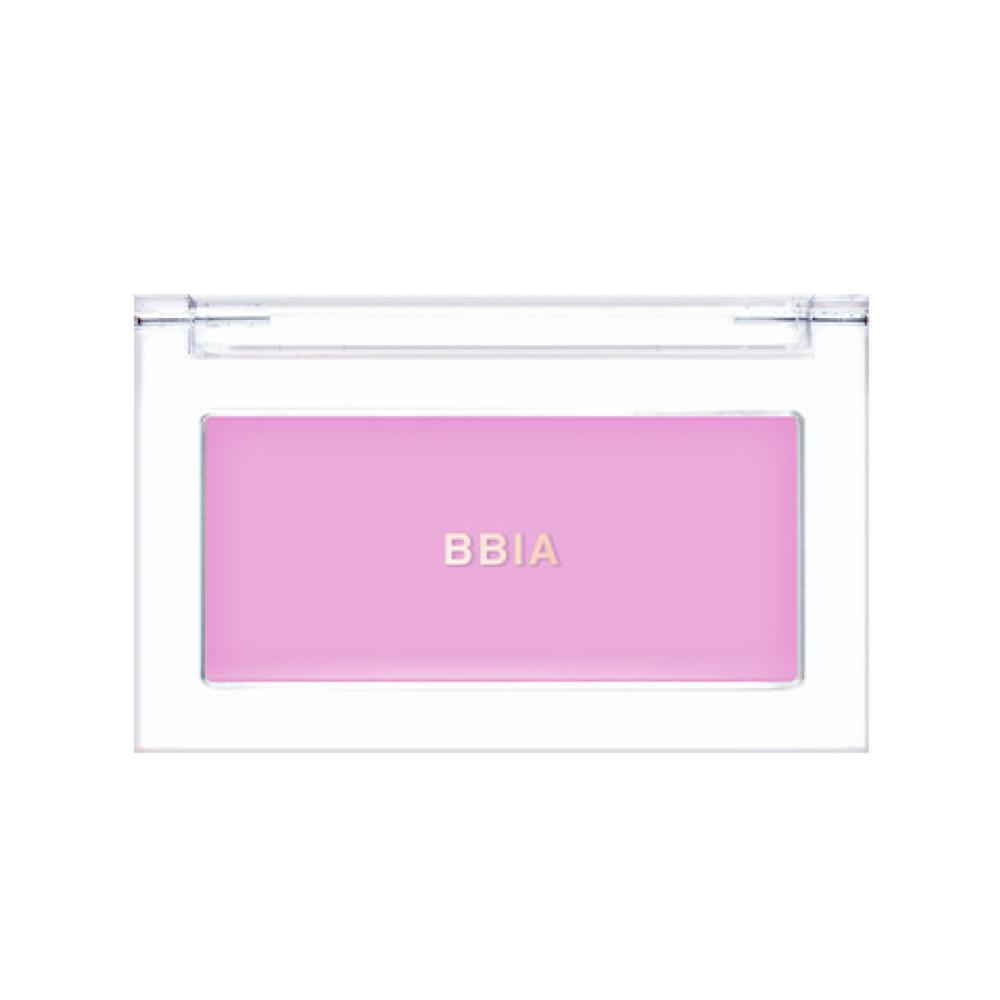
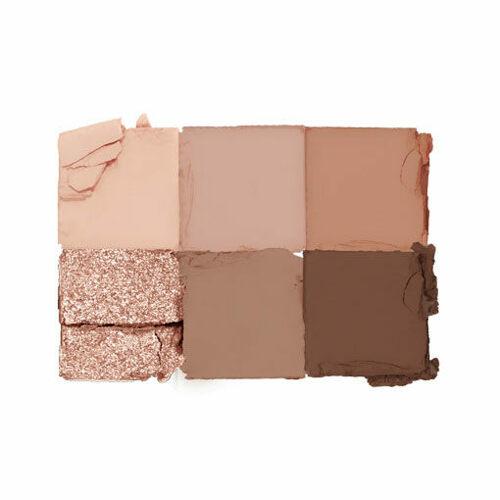
This selection includes BBIA Downy Cheek in #4 Downy Lavender, BBIA Ready To Wear Eye Palette in #2 Mood Blush and Too Cool For School Artclass By Rodin Shading in #1 Classic. Shade names identify the versions in the catalog; they do not guarantee how a color will appear on every skin tone.
Look at the format as well as the color
A palette and a single cheek product invite different ways of working. Consider whether you prefer a small choice of coordinated shades or a single color you can reach for quickly. Your existing brushes and application habits are part of the decision.
Product images can help you inspect the packaging and layout, but screen settings and lighting affect color. Use the exact shade name when comparing products and refer to the original source page for any additional information.
Confirm the shade number as well as the product name.
Use products only on their intended application areas.
Keep applicators clean and avoid sharing eye makeup.
Make space before adding more
Take a look at the products you already use before buying another palette. Identify a specific gap: a shade family, an application format, or a compact you will actually carry. A considered addition can be more useful than a collection of similar colors.
Check ingredient information and the packaging instructions before use. If a product causes irritation, stop using it. A shopping edit should help you compare options clearly, leaving the final choice to your preferences and current routine.
FROM THE STORY
Explore the products
SALE
Too Cool For School
Artclass By Rodin Shading #1 Classic
10g
BBIA
Downy Cheek - #4 Downy Lavender
BBIA
Ready To Wear Eye Palette - #2 Mood Blush